Mental Health and Strength Training
Tyler Changaris • March 23, 2026
mental health and crossfit
Taking care of your mental health is just as important as taking care of your body. One of the best ways to do both is through exercise—especially strength training and CrossFit.
Research shows that regular exercise can help reduce stress, anxiety, and depression. When you work out, your body releases “feel good” chemicals called endorphins. These help boost your mood and make you feel more positive. Studies also show that strength training can improve confidence and help people feel more in control of their lives.
At a CrossFit gym, workouts are based on functional movements done at high intensity across broad time and modal domains. That means you are doing real-life movements like squatting, lifting, pushing, and pulling—at different speeds and with different tools. This type of training keeps your mind engaged and your body strong.
In places like Downingtown, PA, local gyms and CrossFit communities offer more than just workouts. They provide support, friendships, and a sense of belonging. Being part of a group can greatly improve mental health. You are not just working out—you are connecting with others.
Fitness is not only about looking better. It’s about feeling better, thinking clearer, and living healthier. Whether you are lifting weights, doing a tough workout, or just showing up, you are helping your mind as much as your body.
If you are looking to improve your mental health, start with movement. Your future self will thank you.
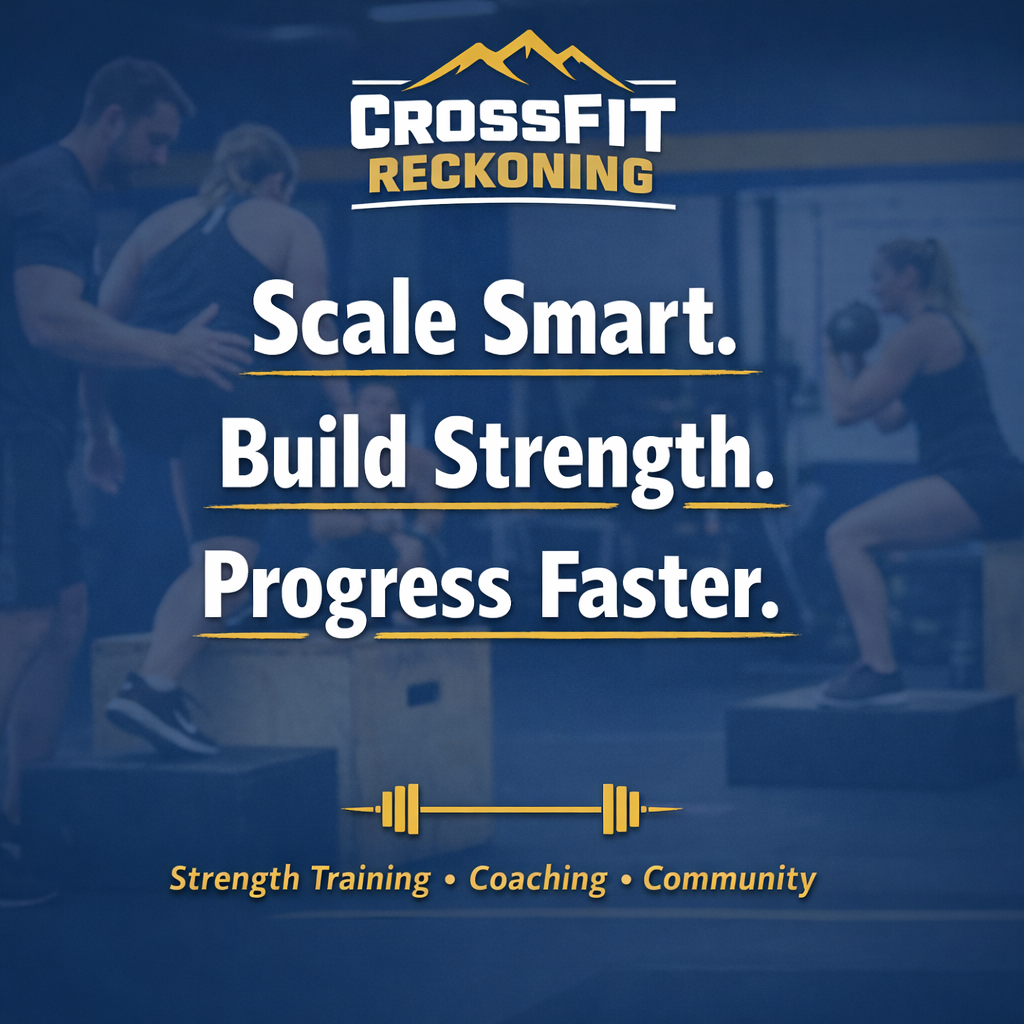
At CrossFit Reckoning, we see it every day—people think they need to “do it Rx” to get results. The truth is, scaling your workouts is one of the most effective ways to improve your strength, fitness, and long-term health. In a CrossFit gym, every workout is designed with intention. But no two athletes are the same. That’s where scaling comes in. Scaling means adjusting movements, weights, or intensity to match your current ability. It allows you to move well, stay safe, and build a strong foundation. When you focus on proper movement and controlled intensity, you develop real strength through consistent strength training. Instead of rushing into movements you’re not ready for, scaling gives you a clear path to progress. You build better mechanics, avoid injury, and gain confidence with each workout. Too often, people see scaling as a step backward. In reality, it’s the fastest way forward. By meeting your body where it is today, you create the conditions for steady improvement in both performance and overall wellness. At CrossFit Reckoning, we coach you through that process. Whether you’re new to fitness or getting back on track, our goal is to help you build strength safely and effectively. Scaling isn’t a shortcut—it’s a strategy for long-term success. If you’re looking for a CrossFit gym that prioritizes coaching, community, and real results, we’re here to help you take that next step.
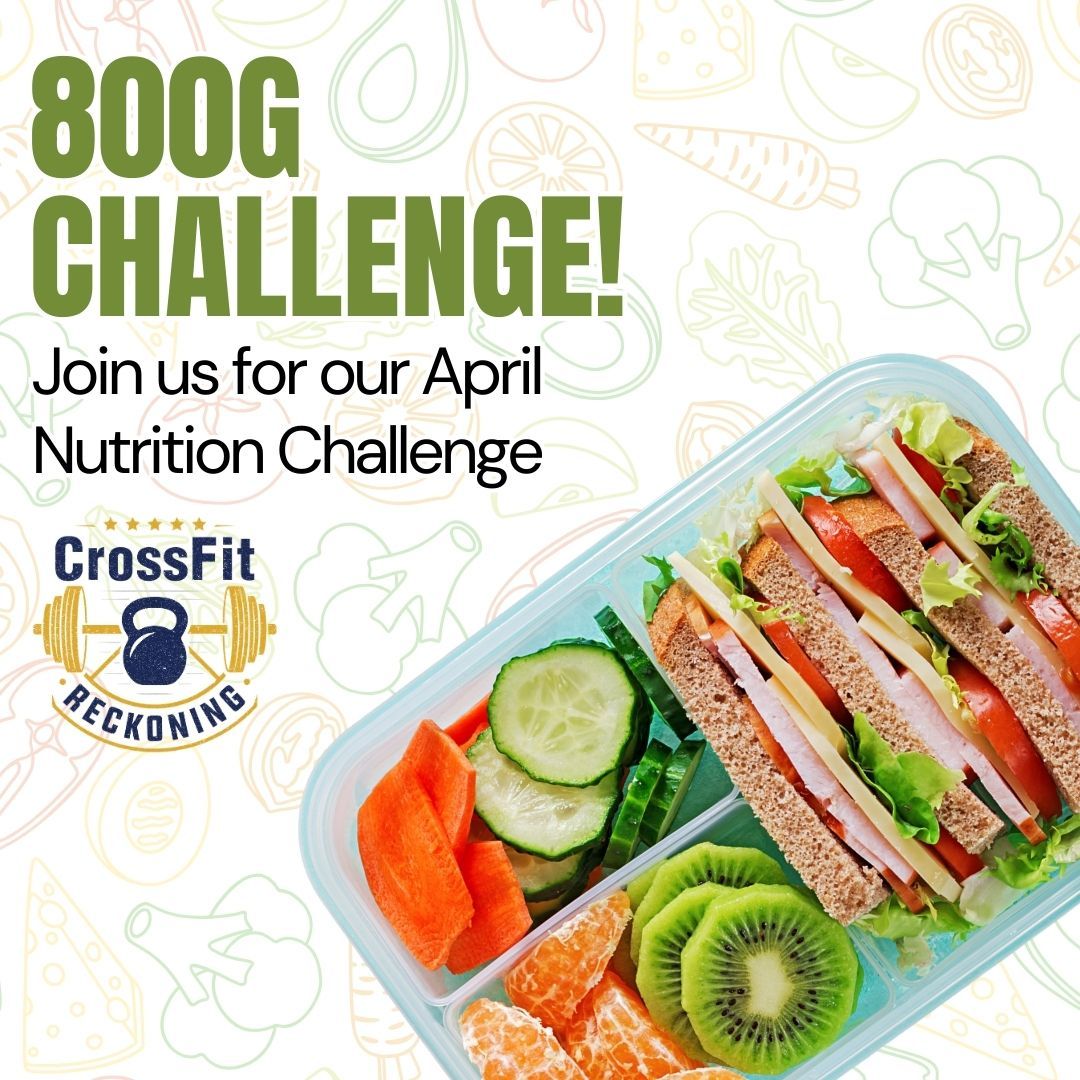
DOWNLOAD THE OFFICIAL APRIL NUTRITION GUIDE

The Top 5 Ways I’d Prioritize Health Through Nutrition By Tyler | CF Reckoning If you train at CF Reckoning, you already know we care about performance. But performance without health is short-lived. If I had to simplify nutrition — not macros, not fads, not extremes — just big picture health… here’s where I’d start. 1. Prioritize Nutrient-Dense Whole Foods If it grew, walked, swam, or came from the ground — it’s probably a good choice. Your body needs: Vitamins Minerals Fiber Quality protein Healthy fats Not just calories. Examples I recommend regularly: Eggs, steak, chicken, salmon, p otatoes, rice, oats, fruit, Olive oil, avocado, nuts, Spinach, peppers, broccoli, carrots These foods support training, recovery, hormones, immune function — everything. Processed foods aren’t evil. They just shouldn’t be the foundation of your diet. 2. Eat Enough Protein (Non-Negotiable) If you’re training hard and not prioritizing protein, you’re making this harder than it needs to be. Protein: Repairs muscle Supports metabolism Keeps you full Helps body composition Improves recovery Simple rule: Have a protein source at every meal. Eggs at breakfast. Chicken or beef at lunch. Fish or steak at dinner. Greek yogurt or cottage cheese as a snack. You don’t need complicated math. Just make it consistent. 3. Eat Vegetables & Fruit Daily This is your micronutrient insurance policy. Vegetables and fruit help with: Energy Immune health Gut health Hormone balance Long-term disease prevention Aim for: 2–3 servings of vegetables per day 1–2 servings of fruit per day And no — fruit is not the enemy. Color on your plate usually means you're doing it right. 4. Control Processed Foods & Liquid Calories You don’t need to eliminate them. But if: Soda is daily Fast food is routine Snacks are constant Alcohol is frequent That’s going to limit progress — no matter how hard you train. Liquid calories especially add up fast. Most people don’t need more willpower. They need better daily structure. 5. Be Consistent — Not Perfect Health isn’t built from one perfect week. It’s built from repeatable habits. Here’s the real goal: 80–90% whole foods Plan ahead Don’t skip meals and binge later Repeat simple meals often You don’t need extreme discipline. You need repeatable systems. The Bottom Line At CF Reckoning, we train hard. But if you want to: Recover better, Improve body composition, Increase energy, Perform longer, Stay healthy for decades, i t starts in your kitchen. If you simplify it down, here’s the formula: Build meals around protein. Add vegetables and fruit. Choose mostly whole foods. Limit processed junk. Be consistent. Nothing flashy. Just effective. — Tyler
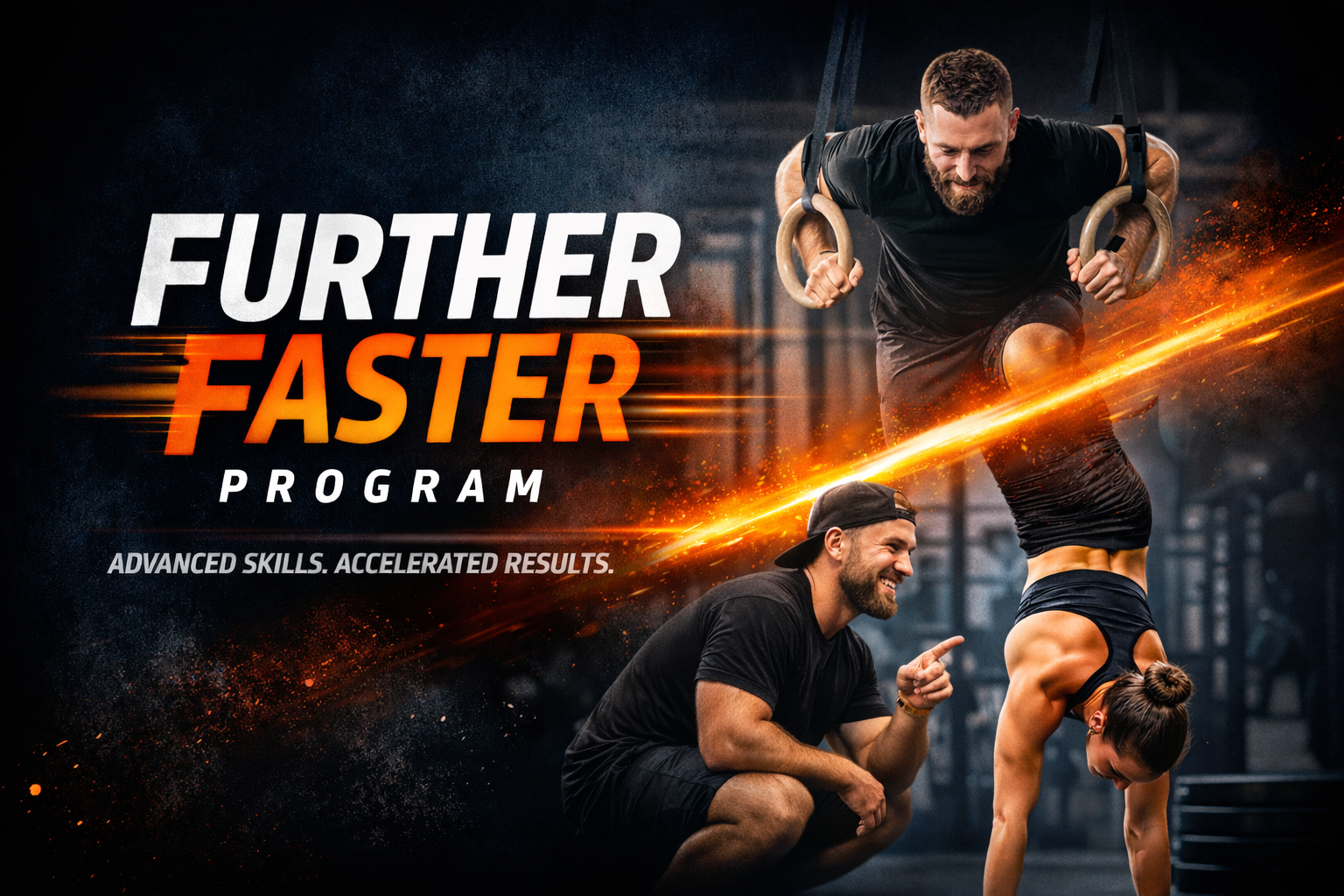
Movements like muscle-ups, handstand walking, butterfly pull-ups, and advanced Olympic lifting require focused coaching, specific drills, and immediate feedback. Instead of trying to squeeze complex skills into a busy class, athletes transition into short, targeted training sessions built for real progress. How It Works Three 30-minute focused coaching sessions Skill-specific training (one primary skill focus) Individualized drills and progressions Scheduled outside of the regular class structure Pricing $150 for 3 × 30-minute sessions (1-on-1) Grab a friend & train together: $200 total (save $50 each!) Both athletes must: Work on the same skill Train at the same time Who This Is For Athletes who feel “stuck” on a skill Athletes ready for muscle-ups, handstand skills, or higher-level lifting Athletes who want faster progress with direct coaching Athletes who thrive with accountability Why This Works Short, focused sessions allow coaches to: Give immediate, precise feedback specific to you Customize progressions Keep group classes running smoothly Help athletes move further, faster Train smarter. Progress faster. Further Faster.
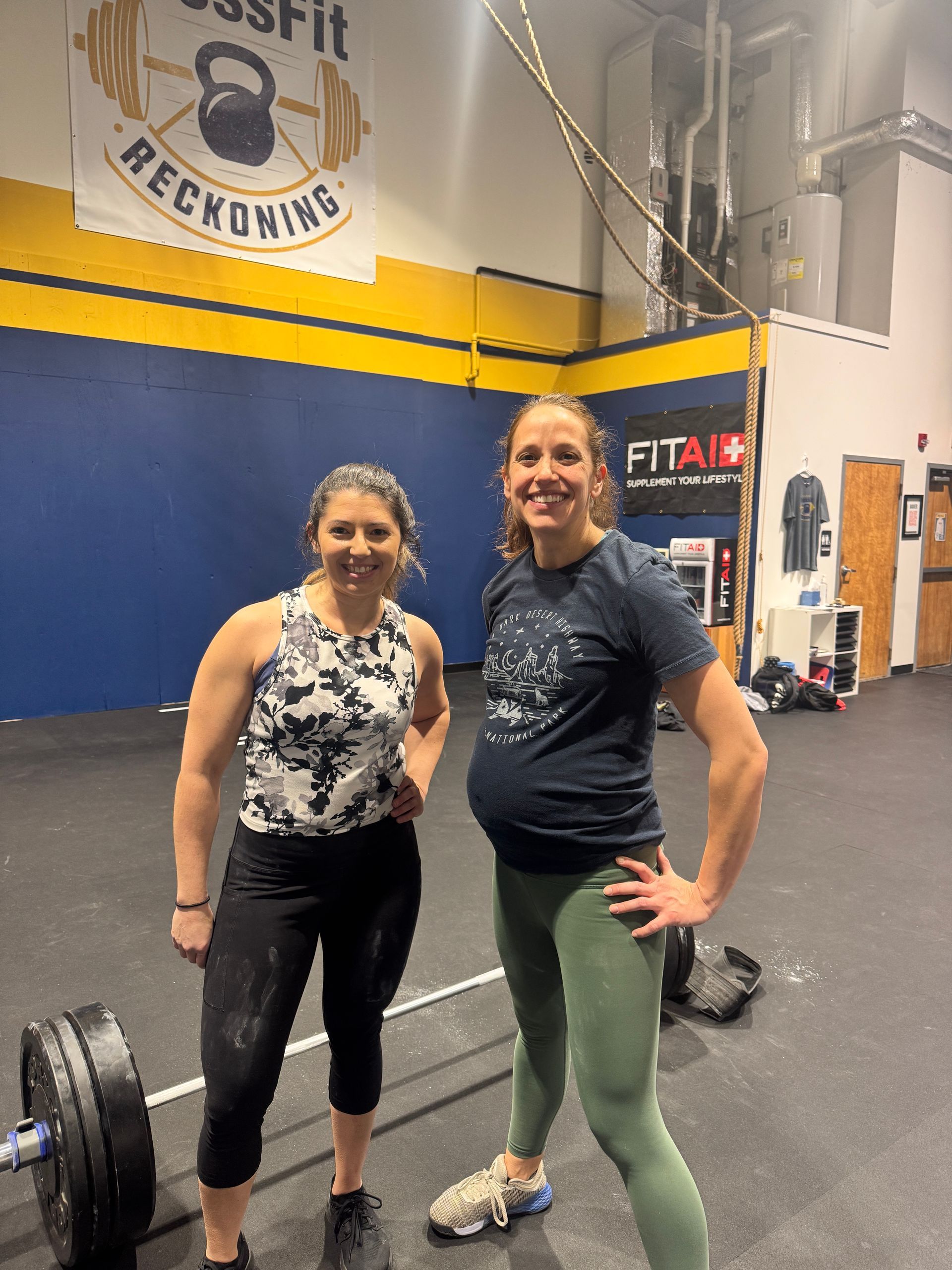
Research consistently shows that strength training is one of the most effective forms of exercise for women as they age, particularly through perimenopause and menopause. Beginning as early as our 30s, women can lose 3–8% of muscle mass per decade, with the rate accelerating during menopause due to hormonal changes. Without resistance training, this loss impacts metabolism, bone density, balance, and overall quality of life. Studies have demonstrated that progressive strength training improves lean muscle mass, increases bone mineral density, and reduces the risk of osteoporosis and fractures. Weight-bearing movements such as squats, deadlifts, presses, and loaded carries—core components of CrossFit training—are especially effective at stimulating bone and muscle adaptation. Strength training also plays a key role in metabolic health. Research shows that increased muscle mass improves insulin sensitivity and resting metabolic rate, both of which are often negatively affected during menopause. This helps explain why women who lift weights tend to experience better body composition outcomes compared to those who rely solely on cardio. At CrossFit Reckoning, our programming is built around these evidence-based principles. Classes include structured strength training paired with functional conditioning, all delivered in a coach-led, scalable environment. Research supports supervised resistance training as safer and more effective than unsupervised workouts, particularly for aging populations, due to improved technique, appropriate loading, and consistency. Beyond physical health, studies also show that resistance training improves mood, cognitive function, and stress management, helping reduce symptoms commonly reported during menopause, including anxiety and fatigue. CrossFit-style strength training isn’t about pushing to extremes—it’s about applying the right stimulus safely and consistently. At CrossFit Reckoning, we use proven training methods to help women build strength, protect their health, and remain capable and confident for years to come. Strong isn’t a trend. It’s a long-term health strategy backed by science.
Watch this short 1:00-minute video before your free trial class or drop-in!
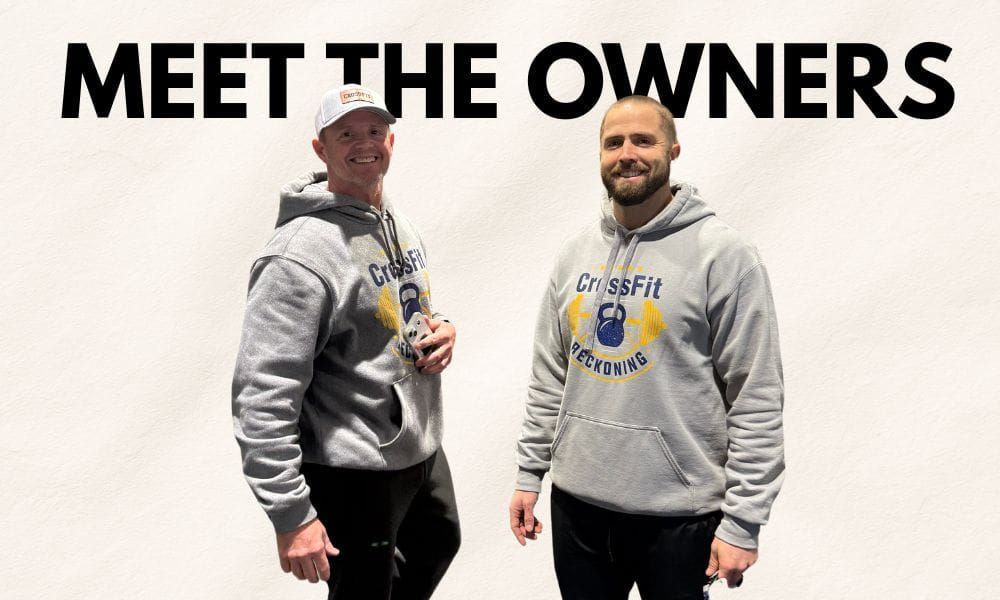
Level 2 Trainer CrossFit experience - 13 years Outside of CrossFit, Mike enjoys to fish and golf.
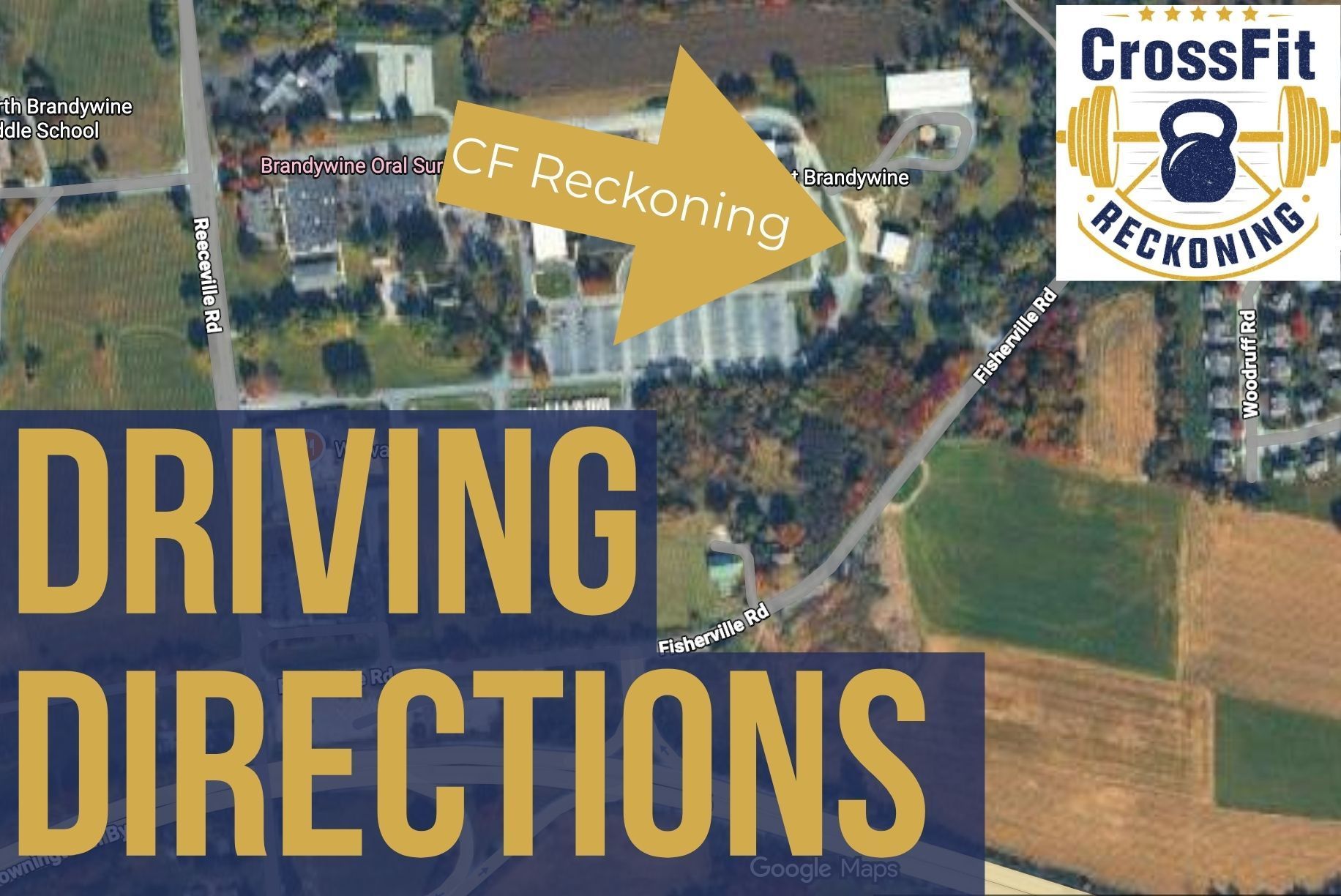
From the East Take US-30 West / 30 bypass toward Coatesville Exit at the “Brandywine Hospital / VA Hospital / Reeceville Road” ramp. At the end of the ramp, go right on Fisherville Road , then drive 1/4 of a mile and turn left (first left). CrossFit Reckoning is first building on the right.
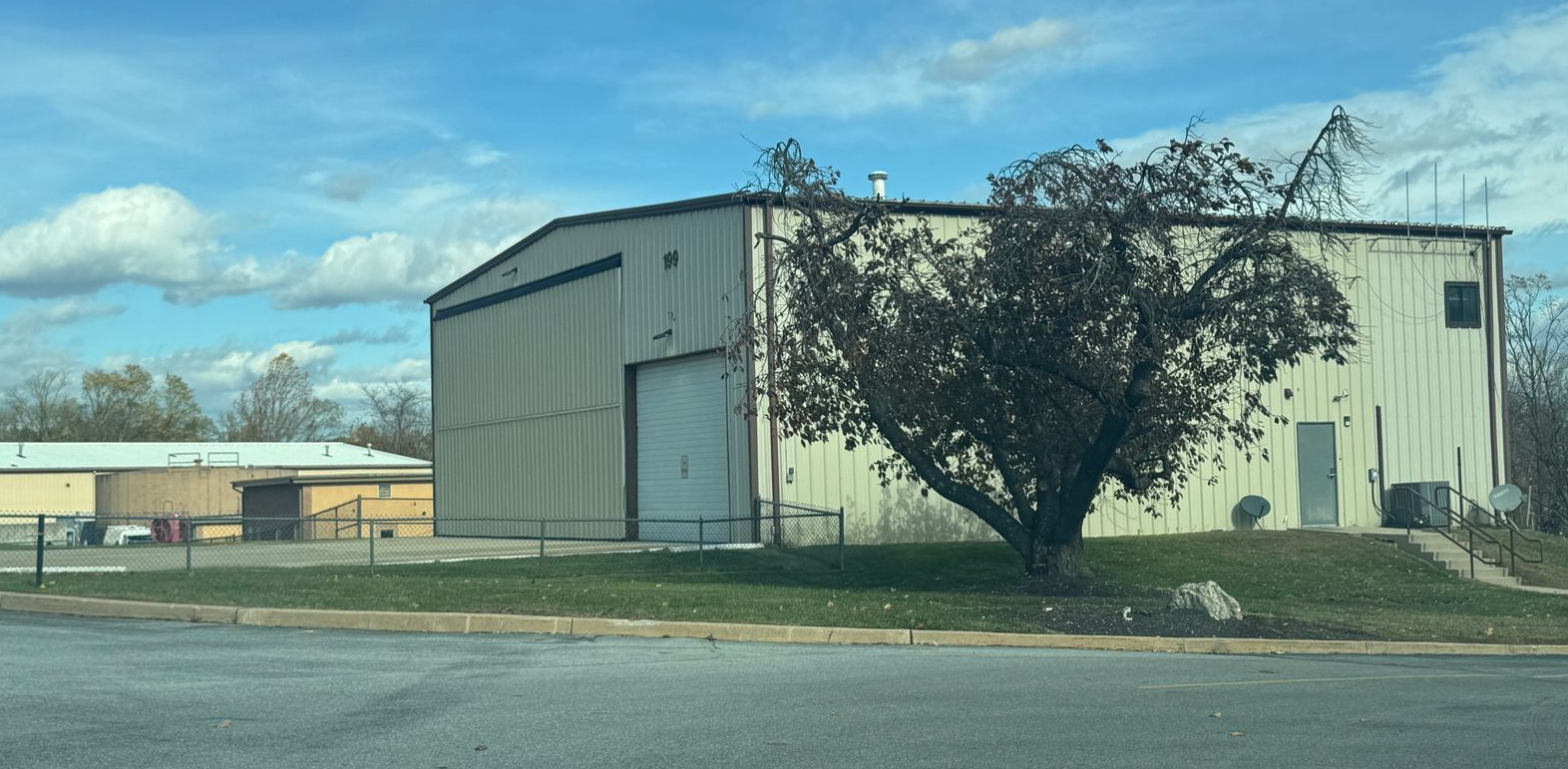
The Roadmap to Opening CrossFit Reckoning We’re getting closer every day — and we wanted to share a quick look at what’s happening behind the scenes as we work to open our affiliate doors! 1. Prepping the Building Right now our main focus is transforming the space into a true CrossFit home. We’re finishing the prep work needed before the new flooring goes in — think cleaning, leveling, and making sure every square foot is ready for heavy barbells and hard work. 2. Equipment Buildout Once the flooring is installed, the fun really starts. Rigs, barbells, plates, rowers, bikes — everything that makes a CrossFit gym feel like home will be assembled and arranged to create an efficient, energizing training environment. 3. Backend Systems & Operations While the physical space takes shape, we’re also dialing in the backend: memberships, scheduling, waiver systems, point-of-sale, and all the essentials that make your check-in experience smooth from day one. 4. Use & Occupancy Approval Next, we’ll work with the township to finalize our Use & Occupancy approval. This is one of the final big steps that officially allows us to open the doors and welcome our community inside. 5. Soft Launch & Membership Sign-Ups Once everything is in place, we’ll announce our soft launch date! This will be your first chance to step inside, meet the coaches, try a workout, and officially become a founding member of CrossFit Reckoning.